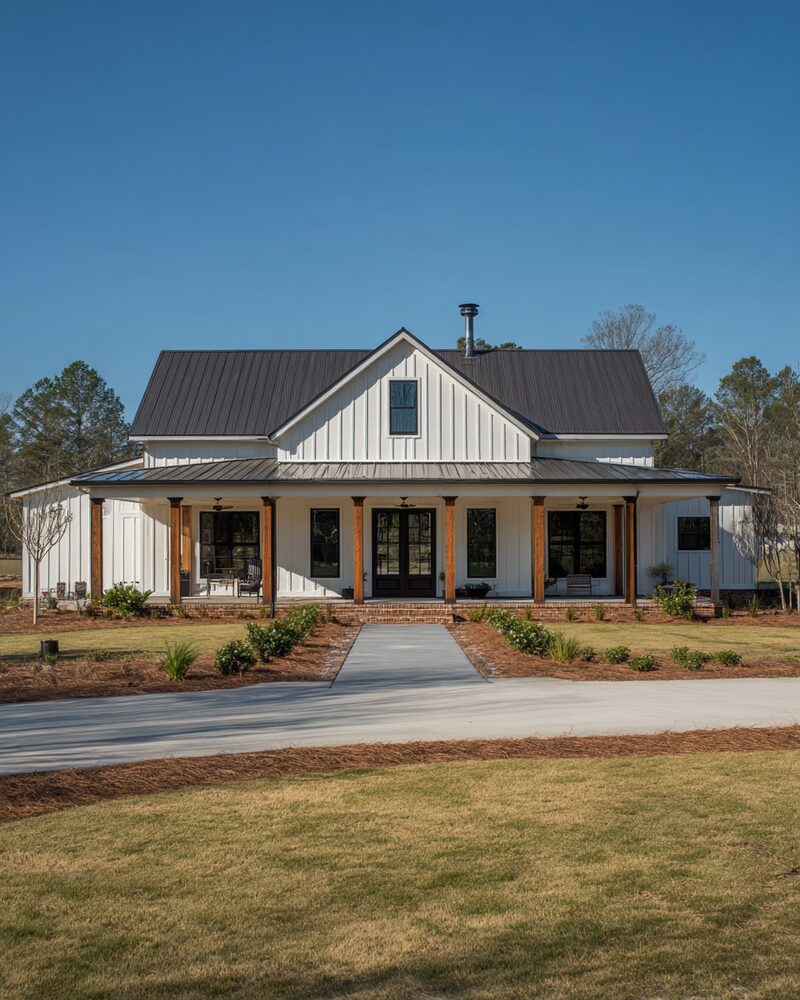
Cumming GA home values are shaped by more than interest rates and headlines. Small projects, municipal plans, and street level improvements can change buyer demand overnight or over several years. Understanding the local moves that alter value is critical whether you are buying or selling a home in Cumming GA.
Why micro changes matter here in Forsyth County starts with context. Cumming sits between fast growing suburban corridors and Lake Lanier lifestyle pockets. A new school boundary, a road resurfacing project, a planned trail extension, or even a neighborhood pocket park can shift search traffic, school priorities, and commuting patterns that buyers care about. Those shifts show up in price per square foot and days on market long after news cycles move on.
Recognize the types of local factors that have outsized impact. Some of the most influential and often overlooked items include new or reconfigured school zones, planned multiuse developments, transportation improvements like roundabouts or new turn lanes, sewer and water upgrades, trail and greenway additions, and rezoning for higher density. Each can change who wants to live on a particular street and how much they are willing to pay.
How buyers should use this knowledge. If you are searching for homes for sale in Cumming GA, look beyond current photos and compare neighborhood trends over time. Ask about any public or private projects planned within a mile of the property. Check county planning board agendas, look for school system announcements, and follow local HOA communications. Buying near a planned greenway or commuter improvement can increase value and quality of life; buying next to a future high density rezoning can mean more noise and lower privacy.
How sellers can benefit. When you list a property, local projects are powerful marketing angles. If a transit improvement, school renovation, or park is planned nearby, make sure it is highlighted in the listing and in open house materials. Conversely, know which projects might worry buyers and be ready with facts, timelines, and mitigation strategies. Pricing and presentation should reflect both the short term perception and the long term upside or downside created by local changes.
Three practical data checks every buyer and seller in Cumming should run before making a move:
1. Recent and pending building permits within 0.5 to 1 mile of the property. Permits reveal additions, new construction, and commercial shifts.
2. School zone maps and upcoming feeder pattern changes from Forsyth County Schools. Even small boundary updates change demand for family buyers.
3. Forsyth County planning commission and Cumming city meeting minutes for rezoning, road projects, and parks. These reveal timing and scope before projects hit public awareness.
Pay attention to timing. Some projects create an immediate spike in buyer interest before completion as buyers want to secure proximity early. Others suppress demand while construction is active and then boost values after completion. Your strategy should match the timing: sellers may maximize proceeds by listing after visible neighborhood improvements are complete, while buyers may get value by purchasing during construction with a plan for future appreciation.
Local nuances that matter in Cumming GA:
- Lake proximity influences lifestyle buyers. Homes closer to Lake Lanier often trade on recreation access and water views, but shoreline access rules and flood zones are crucial to review.
- Commuter corridors: changes to GA-400 access, roundabouts, and local connector roads change commute times that many buyers weigh heavily.
- HOA rules and community amenity plans are common in Forsyth County developments. Proposed amenity upgrades or assessments will affect future costs and buyer appeal.
Small upgrades with big returns. For sellers focused on value now, prioritize improvements that show well for local buyer priorities: refreshed curb appeal, updated kitchen and baths to match neighborhood standards, and clear documentation of recent repairs or infrastructure updates. For buyers, pay for a thorough inspection and get estimates for any nearby work that could affect maintenance costs, like shared septic systems or aging neighborhood drains.
Data drives negotiation. When offers arrive, leverage documented local plans to justify pricing or concession requests. Buyers can ask for pause clauses or price adjustments tied to known construction milestones. Sellers can use signed project letters or county approvals to support a stronger price when improvements are demonstrably increasing neighborhood desirability.
<
